


Introduction
Learning software can feel overwhelming, especially if you are just starting. With countless tools, features, and options, beginners often struggle to navigate through software effectively. That’s where software tutorials step by step come into play. These tutorials simplify the learning process, guiding you through each function clearly and systematically. Whether you want to master word processors, graphic design software, or complex programming tools, step-by-step tutorials provide a structured path to understanding.
Step-by-step tutorials are designed to break down complex tasks into manageable actions. Instead of trying to learn everything at once, you focus on one function or feature at a time. This approach reduces mistakes, builds confidence, and speeds up your learning. For intermediate users, these tutorials help refine skills, discover hidden features, and optimize workflow efficiency.
In this article, we will explore everything about software tutorials step by step—from understanding their purpose to following detailed guides, learning benefits, potential risks, common mistakes, and expert tips. By the end, you’ll have a complete roadmap to learn any software efficiently, without feeling lost or frustrated.
Table of Contents
What is Software Tutorials Step by Step?
Software tutorials step by step are structured guides designed to teach software functions in a sequential manner. Unlike general guides that provide scattered information, step-by-step tutorials focus on progression. Each step builds on the previous one, allowing learners to grasp the basics before moving on to advanced features.
These tutorials can come in different forms:
- Written guides with screenshots
- Video tutorials showing actions in real time
- Interactive courses with exercises and quizzes
The main goal is to make learning software easy, practical, and applicable. Whether you are using Microsoft Excel, Photoshop, or coding software like Python, a step-by-step tutorial ensures that you do not skip essential steps and avoid confusion.
You May Also Like It
Productivity Hacks 2025: Boost Your Efficiency Every Day
DIY Tech Tips: A Complete Guide for Beginners and Enthusiasts
Newest Tech Gadgets 2025: A Complete Beginner-Friendly Guide
Why is Software Tutorials Step by Step Important?
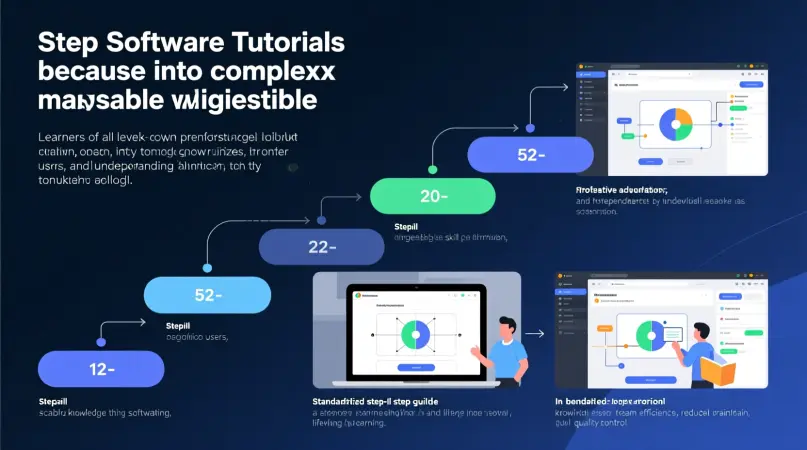
Learning software without guidance can lead to mistakes, wasted time, and frustration. Here’s why step-by-step tutorials are crucial:
- Structured Learning: Tutorials provide a roadmap from basic to advanced functions, making learning organized.
- Faster Skill Acquisition: Step-by-step instructions save time, as learners don’t have to guess what to do next.
- Reduced Errors: Following steps carefully minimizes mistakes, especially in complex software.
- Practical Application: Tutorials often include real-life examples, helping learners apply skills effectively.
- Boosts Confidence: Completing each step successfully builds confidence and encourages learners to tackle more challenging tasks.
Without structured guidance, many users abandon software midway. Step-by-step tutorials provide a clear path, ensuring learners stay motivated and achieve results.
Detailed Step-by-Step Guide
Step 1: Choose the Right Software
Before starting, identify which software you want to learn. Consider your goals:
- Productivity: Microsoft Word, Excel, or Google Docs
- Design: Photoshop, Illustrator, or Canva
- Programming: Python, Java, or C++
Ensure the software version is compatible with your device. Installing the correct version avoids technical issues later.
Step 2: Install and Set Up
- Download the software from the official website.
- Follow installation instructions carefully.
- Open the software and familiarize yourself with the interface.
Example: In Microsoft Excel, the interface includes the ribbon, formula bar, and worksheet area. Knowing these elements is essential before diving into tasks.
Step 3: Understand Basic Functions
Begin with fundamental features:
- Creating new files or projects
- Saving and exporting work
- Navigating menus and toolbars
For instance, in Photoshop, start with opening images, using basic tools like crop, brush, and text. Mastering basics sets the foundation for advanced tasks.
Step 4: Follow Step-by-Step Exercises
Step-by-step exercises help reinforce learning. Examples:
- Excel: Create a budget spreadsheet, apply formulas, and generate charts.
- Photoshop: Edit a photo by adjusting brightness, adding layers, and applying filters.
- Python: Write a simple program to calculate numbers, then gradually add loops and functions.
Always practice each step before moving forward. Hands-on experience is key to retaining knowledge.
Step 5: Explore Advanced Features
Once basics are clear, explore advanced features:
- Keyboard shortcuts to save time
- Customization of interface and tools
- Automation features like macros or scripts
Example: In Excel, learning pivot tables and conditional formatting can significantly enhance productivity.
Step 6: Troubleshoot Common Issues
Software may sometimes behave unexpectedly. Step-by-step tutorials often include troubleshooting tips:
- Restarting the software
- Checking updates
- Using help menus or forums
Learning to troubleshoot ensures you can handle problems without frustration.
Step 7: Apply Your Skills in Real Projects
After mastering steps, apply your skills in real scenarios:
- Create a report or presentation
- Design a logo or image
- Develop a small program or website
Applying knowledge reinforces learning and builds confidence.
You May Also Like It
How to Use AI Tools: A Complete Beginner’s Guide
Tech Tutorials for Beginners: A Complete Guide to Getting Started
Latest Tech News Today: Trends, Updates, and Insights
Benefits of Software Tutorials Step by Step
- Easy and structured learning
- Reduces confusion and errors
- Speeds up skill acquisition
- Increases confidence and productivity
- Practical application in real-life tasks
- Accessible for beginners and intermediate users
- Helps discover hidden or advanced features
Disadvantages / Risks
- May be time-consuming if steps are too detailed
- Can become rigid, limiting creative exploration
- Over-reliance may prevent independent problem-solving
- Some tutorials may be outdated for new software versions
- Poorly designed tutorials may confuse beginners
Common Mistakes to Avoid
- Skipping steps or rushing through tutorials
- Not practicing hands-on after reading instructions
- Ignoring basic features and jumping to advanced ones
- Relying solely on video tutorials without trying on software
- Not updating software to the latest version
- Ignoring troubleshooting instructions
FAQs
What is the best way to follow software tutorials step by step?
Start with simple software functions, practice each step carefully, and gradually move to advanced features. Don’t rush.
Are written or video tutorials better?
Both are effective. Written tutorials are great for quick reference, while video tutorials show actions in real time. Combining both works best.
How long does it take to learn new software?
It depends on software complexity and your dedication. Beginners may need a few days to grasp basics, while advanced features require weeks.
Can step-by-step tutorials replace formal training?
They complement formal training but may not fully replace it for complex software or professional certification.
How can I practice effectively?
Follow exercises, create small projects, and experiment with features. Repetition reinforces learning.
What if the tutorial is outdated?
Check for updated versions or official documentation. Many software features change with updates, so ensure the tutorial matches your software version.
Are step-by-step tutorials suitable for intermediate users?
Yes, they help refine skills, explore advanced functions, and optimize workflow efficiency.
Expert Tips & Bonus Points
- Take notes while following tutorials to remember key steps.
- Use keyboard shortcuts to save time and increase efficiency.
- Join forums or communities to discuss challenges and solutions.
- Break learning sessions into small, focused periods to avoid fatigue.
- Experiment with features after completing tutorials to enhance creativity.
- Back up your work regularly to prevent data loss.
Conclusion
Mastering software may seem challenging initially, but software tutorials step by step make the process manageable and enjoyable. These tutorials provide structured guidance, ensuring beginners and intermediate users learn efficiently and avoid common mistakes. By following the step-by-step approach, practicing consistently, and exploring advanced features, you can gain confidence and achieve professional results.
Step-by-step tutorials save time, reduce errors, and offer practical application, whether you are learning productivity tools, design software, or programming languages. Remember, patience and practice are key. Every small step you complete builds your knowledge, skills, and confidence. With consistent effort, even complex software becomes easy to master, opening doors to better productivity, creativity, and career opportunities.
By leveraging these tutorials effectively, you can transform from a beginner to a skilled user, capable of navigating any software with ease and efficiency. Step-by-step learning is not just a method—it’s a path to success in the digital world.
You May Also Like It
Tech Innovations 2025: A Complete Beginner-Friendly Guide
Wearable Technology Trends: A Complete Guide to the Future of Smart Wearables
Upcoming Smartphones 2025: Features, Trends, and Buying Guide
